
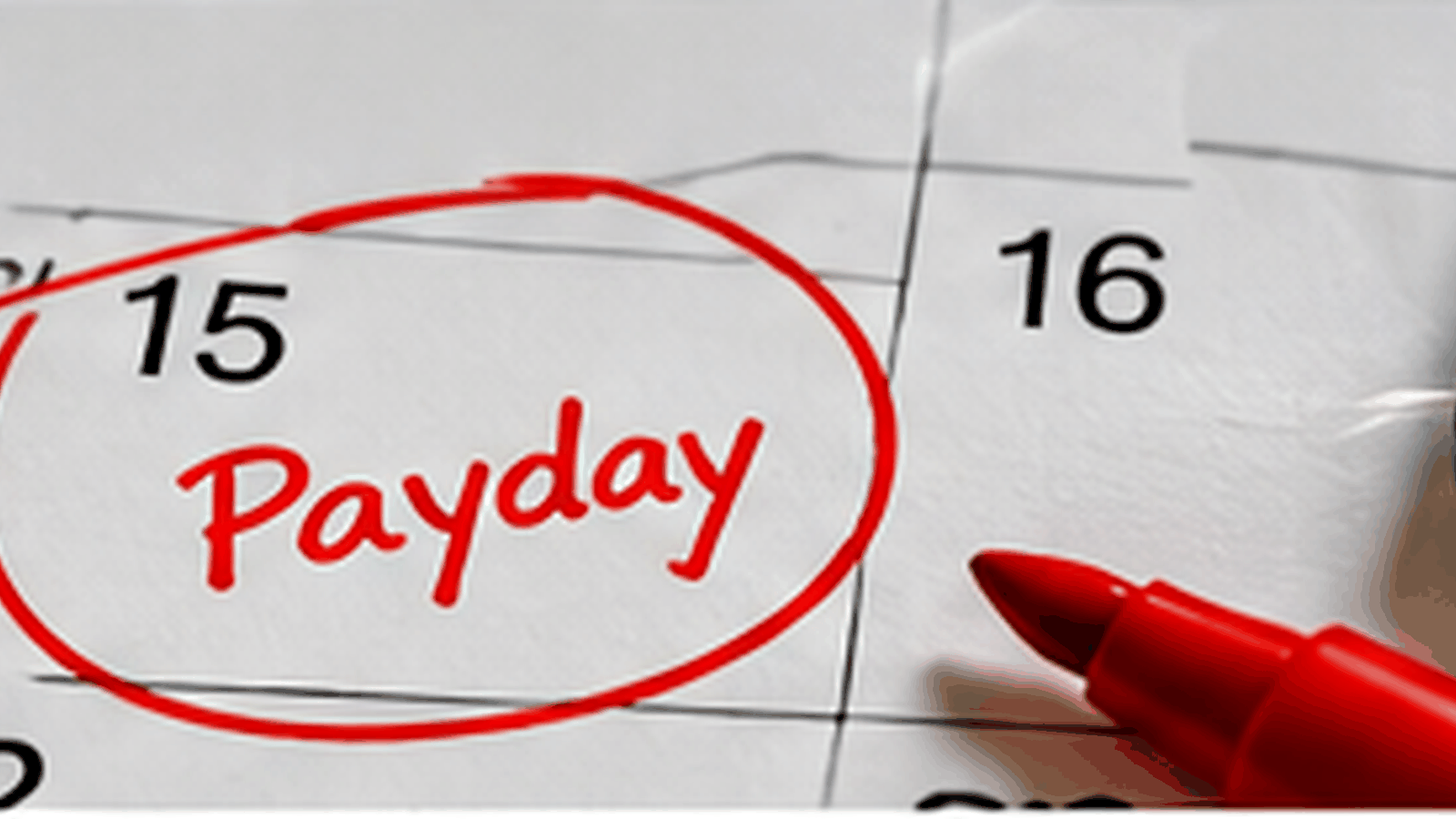
 Two households can earn the same monthly income and still experience very different money problems. One may receive a single deposit just before major bills are due; another may be paid several times across the month. People examining ideas for planning around borrowing and repayment can benefit from studying this timing before adding a new payment. A cash-flow calendar shows not only what the household earns and spends, but also when money is actually available to meet an obligation.
Treat Every Deposit as a Date, Not an Average
Begin with the next six or eight weeks. Mark confirmed paydays, benefits, pension deposits, and other dependable income. Use the amounts expected after deductions. If earnings are variable, choose a conservative figure instead of relying on a typical best-case pay period.
Then add every major payment date: housing, utilities, insurance, transportation, loan instalments, subscriptions, and recurring household costs. Include irregular expenses already known, such as a professional renewal or an upcoming school registration payment. The result is a financial timeline rather than a monthly estimate.
Find the Days When the Balance Is Tightest
A budget may look affordable on paper while the account briefly falls short before the next deposit. For each transaction date, subtract scheduled spending from the running balance. The lowest projected balance is often more informative than the total money left at month-end.
Imagine a household receiving $1,500 on the fifth and another $1,500 on the nineteenth. Rent, insurance, and utilities may require $1,800 before the second deposit. Even if total monthly expenses remain below $3,000, the timing can create a difficult first half of the month. Seeing that pattern early helps identify realistic adjustments.
Match Variable Spending to Available Cash
Groceries, fuel, and personal spending do not always have fixed due dates, but they still require room in the plan. Estimate reasonable weekly amounts and reserve them before deciding that the remaining balance is available for another payment.
A common mistake is assigning an entire monthly grocery budget to the first week while also expecting later bills to clear. Dividing flexible spending into weekly targets provides a better understanding of what can safely be spent now and what needs to remain untouched.
Ask Whether Due Dates Can Be Staggered
Some service providers allow changes to billing dates or payment frequency. Moving one nonessential due date to a different week may make cash flow easier to manage. Always ask whether the adjustment creates an extra charge, changes the billing cycle, or results in an unusually large first payment.
If a payment must stay on its original date, a separate bill-payment account or a scheduled transfer may help reserve the money in advance. The method matters less than maintaining a clear distinction between money available for spending and money already committed.
Test a Loan Payment on the Calendar
Before accepting a financing agreement, insert every proposed repayment into the six- to eight-week timeline. Does it fall on a day when the account is already tight? What would happen if a paycheque arrived late or a utility bill was higher than expected?
Review the full cost of borrowing, including interest, fees, and the total repayment amount. A payment may be technically affordable over the month but risky on its required date. A lender may not offer changes to the schedule, so any flexibility should be confirmed before signing.
Use the Map to Build a Small Cushion
Once the calendar is reliable, identify an amount that could be saved regularly without putting essentials at risk. Transfers made just after a dependable deposit may help build a reserve for weeks when expenses are concentrated.
Update the calendar whenever a bill amount, payday, or household circumstance changes. Over several months, patterns become easier to recognize, including which expenses are genuinely unexpected and which simply arrive infrequently.
A cash-flow map turns a familiar question—”Can I afford this?”—into a more useful one: “Can I meet this exact payment on this exact date and still cover what comes next?” That additional detail can make a meaningful difference to household budgeting and responsible borrowing decisions.